Alex Albrecht · 28 September 2026
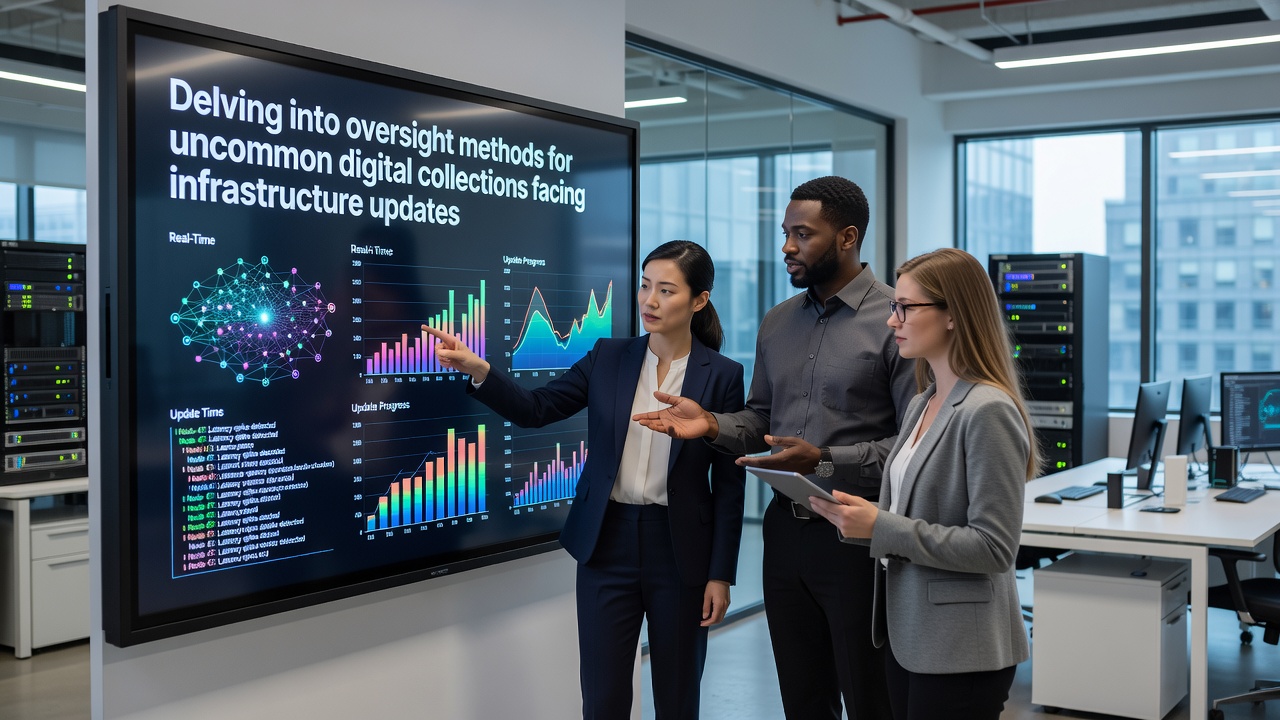
Delving into oversight methods for uncommon digital collections facing infrastructure updates
Digital collections that fall outside mainstream categories require structured oversight when platforms undergo infrastructure changes such as server migrations or software upgrades, and these processes involve verification steps that maintain data integrity across multiple stages.
Observers note that uncommon collections often include specialized archives held by research institutions or independent repositories, where content ranges from rare manuscript scans to niche multimedia datasets, and infrastructure updates introduce variables that affect storage formats along with access protocols.
Core components of oversight during platform transitions
Monitoring begins with baseline audits that record checksum values and metadata structures before any hardware or software alterations occur, which allows teams to compare post-update states against original records and identify discrepancies through automated scripts that run at scheduled intervals. Researchers have documented cases where such comparisons prevented loss of embedded annotations in historical image files after a content management system shift, and the same approach applies when collections move to cloud environments that alter file hierarchies.
Access logging forms another layer, capturing every query and modification attempt throughout the transition period, while integration with external standards like those from the Open Archival Information System model provides frameworks for documenting provenance changes. Data from institutional reports indicate that repositories using combined logging and standard compliance experience fewer integrity failures compared to those relying on manual checks alone.
Technical verification techniques in practice
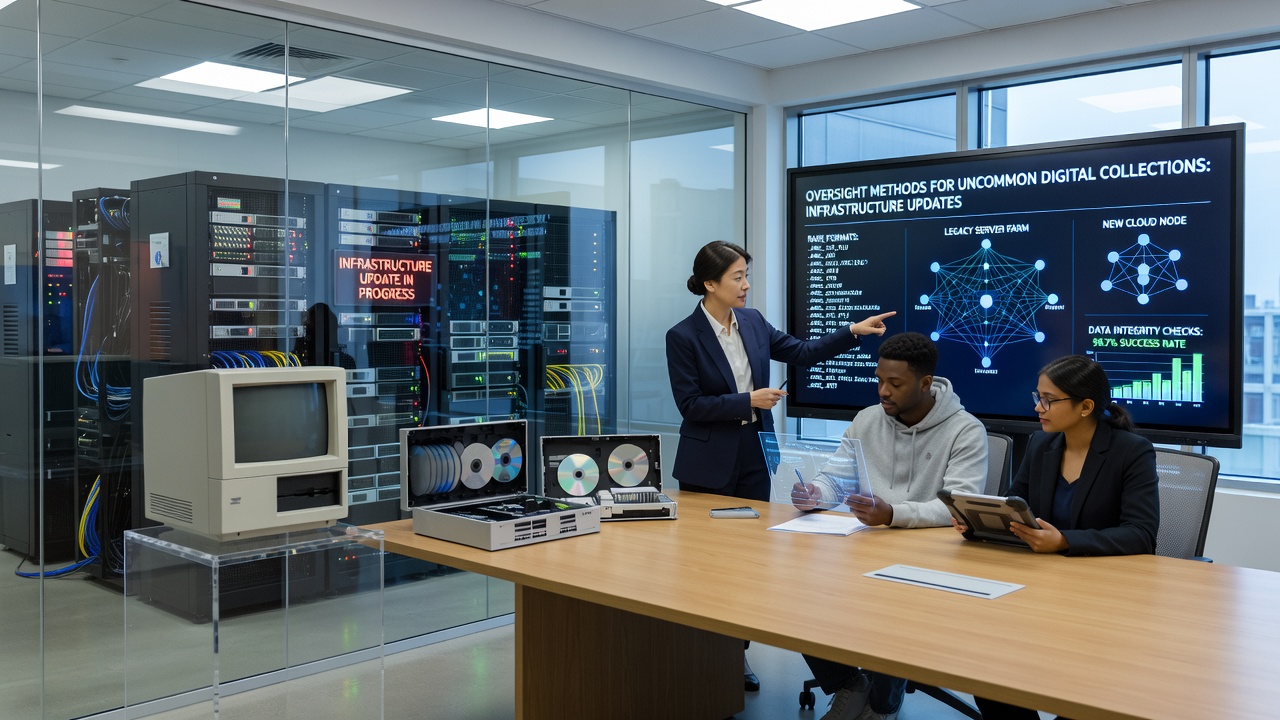
Checksum verification tools run periodic scans on both primary and backup copies, and these scans compare hash outputs against stored references to confirm that bit-level preservation holds during updates, whereas format migration requires separate validation through rendering tests on representative samples. Experts at university libraries have applied this method when converting older video codecs in ethnographic collections, ensuring playback consistency after infrastructure refreshes.
Metadata crosswalks come into play when databases restructure during upgrades, mapping fields from legacy systems to new schemas through scripts that flag unmapped elements for manual review, and this process connects directly to audit trails that record each mapping decision. Studies from European research networks show that automated crosswalk tools reduce mapping errors by measurable margins when collections contain non-standard descriptive fields.
Coordination across teams and external standards
Project timelines align oversight checkpoints with infrastructure vendor schedules, and communication protocols ensure that preservation staff receive advance notice of changes that might affect collection access, while regional regulations in places like Canada and Australia require documented risk assessments before major system alterations. One documented example involved a Canadian university repository that synchronized its oversight schedule with a September 2026 protocol update window announced by national digital heritage bodies, allowing parallel testing of integrity checks.
Collaboration with organizations such as the Digital Preservation Coalition supplies templates for these assessments, and similar guidance appears in reports from Australian institutions that track preservation metrics across multiple migration events. Teams often schedule redundant storage copies at geographically separate locations to mitigate risks during the actual switchover phase.
Documentation and long-term tracking practices
Post-update reports compile logs, checksum results, and metadata change records into searchable archives that support future audits, and these documents reference original collection policies to verify that access restrictions remain intact after infrastructure modifications. Research indicates that repositories maintaining versioned documentation experience smoother subsequent updates because historical decision points remain available for reference.
Continuous monitoring extends beyond the immediate transition through scheduled integrity tests that run at increasing intervals, which helps detect gradual degradation or access issues that emerge only after stabilization periods conclude. Observers have tracked collections where such extended monitoring revealed format compatibility problems that appeared months after the initial infrastructure change.
Conclusion
Oversight methods for these collections combine technical verification with coordinated documentation and external standard alignment, creating traceable records that persist through infrastructure updates, and ongoing application of these approaches supports continued accessibility for specialized digital holdings.